People often ask me if they must “believe” in acupuncture to receive its benefits. The short answer is “no.” Belief is not required in order for the needles to do their work. You don’t have to know what qi is, or that your gallbladder has acupuncture points on your foot. Many people who have experienced great relief initially came to us feeling either very skeptical or completely unsure of the process.
That being said, there are ways you can participate in the healing process, and actually enhance it. This primarily starts when you begin connecting the dots between your acupuncture treatment and how you feel when you’re not on the table. Similar to exercise and meditation, acupuncture increases a person’s physical and mental awareness – both as independent forces (“Wow, my balance is better. Wow, my mind is clearer,”) and as related entities (“Gee, when I feel anxious, my stomach is also upset.”)
We also notice that people accelerate and enhance their healing when they rid themselves of the negative things in their lives – whether it’s giving up fast-food, getting out of a moldy house, leaving an unfulfilling job, or dropping a miserable relationship. Each of these things powerfully reinjures the qi on a daily basis. Removing such things from one’s life is a powerful augmentation of acupuncture’s benefits.
You can also sabotage your progress. This is quite common in the beginning; people unintentionally run themselves down after they start feeling good again. It can take a little practice, getting used to managing the renewed sense of health. But it’s worth doing; otherwise it’s kind of like winning the lottery and blowing it all – fun, but ultimately a bummer.
And sometimes – this is a bit more complicated – people unconsciously slow their progress because they’re actually more comfortable feeling terrible than feeling great. It’s like the old saying, “the devil you know is better than the devil you don’t.” A familiar routine is comforting, and changing that routine can be frightening … even if you hate the routine. Acupuncture can be very helpful in untangling this kind of pattern.
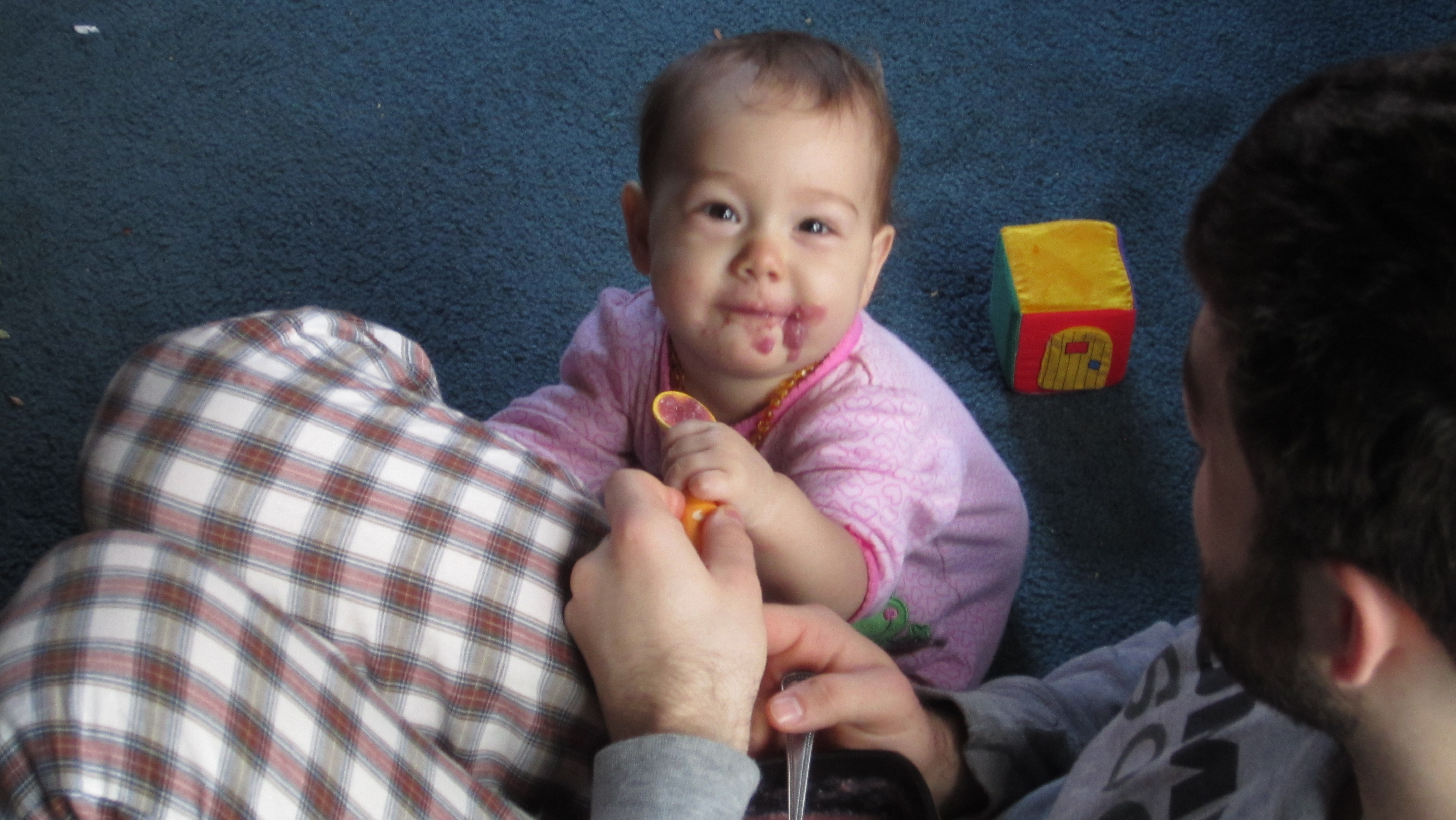
Pursuant to last week’s post about general good eating tips comes this week’s admonition: friends, eat a hot breakfast. Because hot breakfast makes a body feel incredible. Behold:
Hot breakfast is unequivocally awesome.
The hot breakfast I’m talking about here isn’t biscuits and gravy or oatmeal or a microwaved pastry or a cup of coffee. No, I’m talking about porridge.
It isn’t just for the English, folks. Nor are its benefits out-dated; it just has a terribly unappetizing, impoverished-sounding name. Porridge. And that’s too bad. But let us not forget that a rose by the name of porridge would smell just as sweet.
Serious sniffers know this thing would still smell incredible even if we called it “porridge.”
People of yesteryear didn’t just eat porridge because that’s all they had. They ate it because they believed it was good for them. If hot breakfast cereal has become unfashionable since the advent of chocolate rice puffs and dehydrated marshmallows shaped like horseshoes, that’s a reflection of the power of marketing and not of the power of porridge.
I’d wager that of all the self-care tips we give people throughout their course of treatment, implementing a hot breakfast strategy at home is the most permeating. Its influence is vast because the belly has long arms. In addition to soothing belly woes, hot breakfast helps other physiological processes that are dependent upon the stomach such as immunity, energy levels, and concentration.
Last week we used the analogy of a pot and a fire to talk about the human body’s digestive process. Routinely giving the body warm, easy-to-digest food in the morning is like providing ample wood to feed an even fire under that sweet pot. This in turn creates the foundation for appropriate physiological functioning throughout the rest of the day and the foreseeable future. This is why hot breakfast is so far-reaching.
When we first started making and eating hot breakfast porridge in acupuncture school, I lost about 5 pounds and Brian gained about 5. I had a surplus of fat; Brian had a deficit, and both surplus and deficit were corrected when our spleens/stomachs got the boost they needed to function more appropriately.
Since that time, we’ve become porridge dévotés. We slow-cook our grains for about 7 hours in the crock pot. It’s like making chili; you get the ingredients in the same pot, leave them alone, and together they make magic. Before cooking, we soak the grains overnight in water because grains are best digested when they’ve been soaked. Click here for a series of excellent posts on the subject, as well as discussion about phytic acid found in grains and legumes.
Soaking and slow-cooking are distinguishing factors between what we’re calling hot breakfast and something like instant oatmeal. Instant oatmeal may be hot and it may be breakfast, and it’s certainly better than a cold breakfast or no breakfast – but it’s still not “hot breakfast.” It’s as different from hot breakfast as a January Brazilian tomato is from an August tomato from your yard. They’re only the same in name; in experience they are different in kind.
After our porridge has cooked to the point that the grains have broken down beyond al dente, we blend it all with a wand blender and refrigerate the batch. Then we heat up each day’s portions in the morning while the baby chimes “Hot breakfast! Beets!” in the background. (I’m not making that up. But, then, she’s never had chocolate.)
We eat hot breakfast every morning, and when we travel we bring it with us in mason jars. We typically arrive with more breakfast than clothing options. I am fully aware that to some family and friends, this is bizarre. I am also quite sure that they are used to us by now, and accept it as one of our lovable oddities. Our steadfast porridge plan doesn’t mean that we never enjoy pancakes or croissants or omelettes. We do. We just have them as second breakfast. First breakfast is always porridge.
Porridge is limitless in its composition potential. You can do a vegetarian, fish, or meat version. It can be sweet or savory, thin or thick. We often change our recipes when we’re feeling creative, bored, or like our bellies need a different kind of support. Some batches are incredible, some batches are flops, but we’ve fiddled around with all manner of hot breakfast recipes: Mama-to-be Porridge (when gravid,) Mama porridge (when post-partum,) Daddy Porridge (for the hard-working man,) Summer Porridge (lighter than,) Winter Porridge (heavier, with more meat.)
Here’s a basic recipe for you to get started with:
Powerful Porridge
Base recipe:
1 c grain of choice
1 qt stock
4-8 c water (Varies widely based on personal preference and cooking temperature in slow-cookers.)
Combine grain and 4 c water in a slow cooker (e.g. crock-pot). Soak overnight (optional: add 2 Tbl whey, yogurt, buttermilk, or lemon juice.) In the morning, add stock and cook on high setting until the liquid comes to a boil. Then turn down to low setting for about 6-7 hours. Stir occasionally.
Add extra water if the cereal becomes too thick or starts sticking to the pot. Your cereal is done when its consistency is smooth like rice pudding. Add salt to taste. Portion it out in serving-sized containers for easy heating in the mornings. Dilute if desired when reheating.
You may want to substitute different grains to the base recipe and make additions like vegetables (especially root vegetables), beans, meat, or nuts. It is usually best to cook these additions separate and then add then in the last 30 minutes of cooking.
Portion size will vary depending on the belly, the state of its woes, and how good your porridge is. I usually eat about 2 cups each morning. Brian’s bowl is somewhat fuller than mine. Play around with it, but remember that this is your breakfast. It’s not like a side of grits.
You could also add some spices to your day’s batch – ginger, cardamom, and cinnamon are nice options. Some people like nuts, raisins, and honey. Others prefer a bit of spring onion and sunflower seeds.
Once you get into a groove with making and eating hot breakfast, prepare to be amazed at how much the foundation of your life strengthens as your stomach gets what it needs.